The 17th plenary of the Contact Group on Piracy off the Coast of Somalia (CGPCS) and its working group meetings will take place in Dubai from the 26th to the 28th of October. At the plenary I will give a short talk that provides an overview over the key results of the Lessons Learned Project on the group. The future of the CGPCS and the current counter-piracy architecture will be a key issue on the agenda, as will be questions such as how to improve capacity building coordination, how to re-shape the High Risk Area and to ensure high alert of the shipping community. The meeting will be followed by the high level conference “Securing State Recovery: Sustaining Momentum at Sea, Confronting Instability on Land” during which I will be moderating the plenary panel on “Lessons Learned from Maritime Piracy in the Horn of
Africa and a Framework for Future Cooperation”.
Category Archives: News
Book on International Practice Theory published
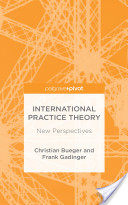 The book International Practice Theory: New Perspectives has now been published. It is co-authored with Frank Gadinger. Together we discuss what practice theory is, how it fits into international relations theory and explore core approaches and challenges with a particular emphasis on methodology. Here’s the official blurb
International Practice Theory has become one of the core perspectives in International Relations. Since the practice turn, there has been significant interest in developing new theories and methodologies for understanding world politics and global governance. This unique study reviews these new approaches, offering a focused discussion of the strategies, techniques and issues. Examining how International Practice Theory is linked to social theory and international relations theory, Bueger and Gadinger explore Bourdieu’s praxeology, the community of practice approach, narrative approaches, Actor-Network Theory and Boltanski’s pragmatic sociology to address core questions of transformation, scale, normativity and materiality. Advocating greater attention to translating International Practice Theory into empirical research, this book will be a valuable resource for all those interested in social theory, practice theory and the international.
A preview of the book is available here.
Meeting with Deputy Secretary General of the EEAS
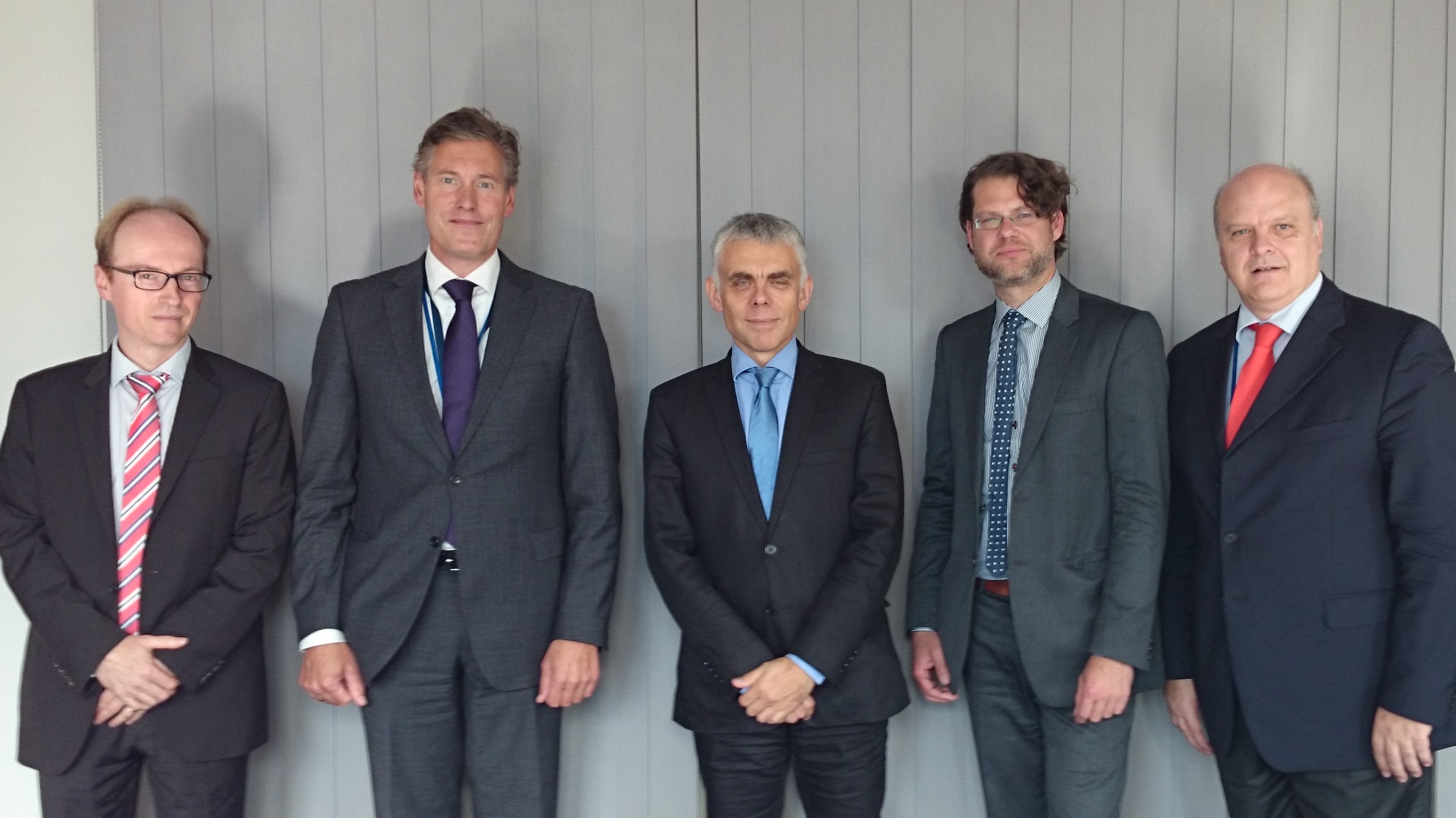 On the 19.9. I met with Marcieji Popowski, Deputy Secretary General of the EU’s European External Action Service to discuss the initial outcomes of the Lessons Learned Project of the Contact Group on Piracy off the Coast of Somalia (CGPCS) and prepare for the 2014 counter-piracy week in Dubai.
Lecture Series on Knowledge Production in Copenhagen
From the mid of September to October I will be giving a series of lectures in the module Knowledge Production and Evaluation of the newly launched MSc Programme in Security Risk Management at the University of Copenhagen. In the lectures I intend to explore a number of key categories of knowledge production, starting from different concepts of epistemic practices, epistemic spaces and devices, to actor-network theory as an approach to the study of knowledge production and controversies and a detailed investigation of quantification and big data. The lectures are related to my forthcoming article on the epistemic practices of piracy and ongoing work on the epistemic dimension of global governance which is part of my current case study on the Contact Group on Piracy off the Coast of Somalia.
Workshop on International Practice Theory
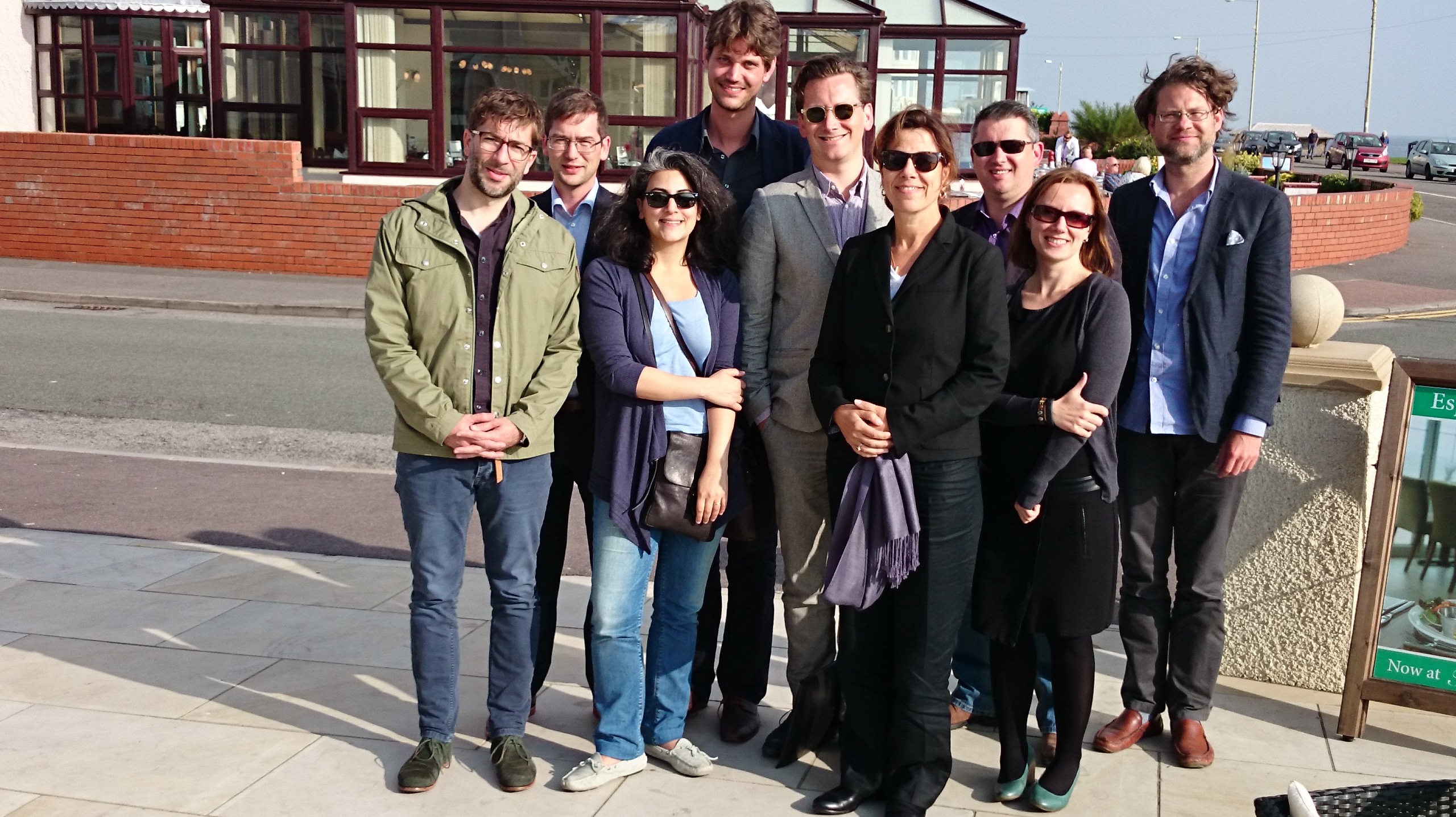 In a workshop titled “At the Boundaries of International Practice Theory: Norms, Pragmatism & Performativity”, from 11-12.9.2014 organized by our project at Cardiff University we discussed the frontiers of International Practice Theory (IPT) and the relations and boundaries to a range of research perspectives which share many of the concerns of IPT.
In the Field: What’s the Future of DCoC?
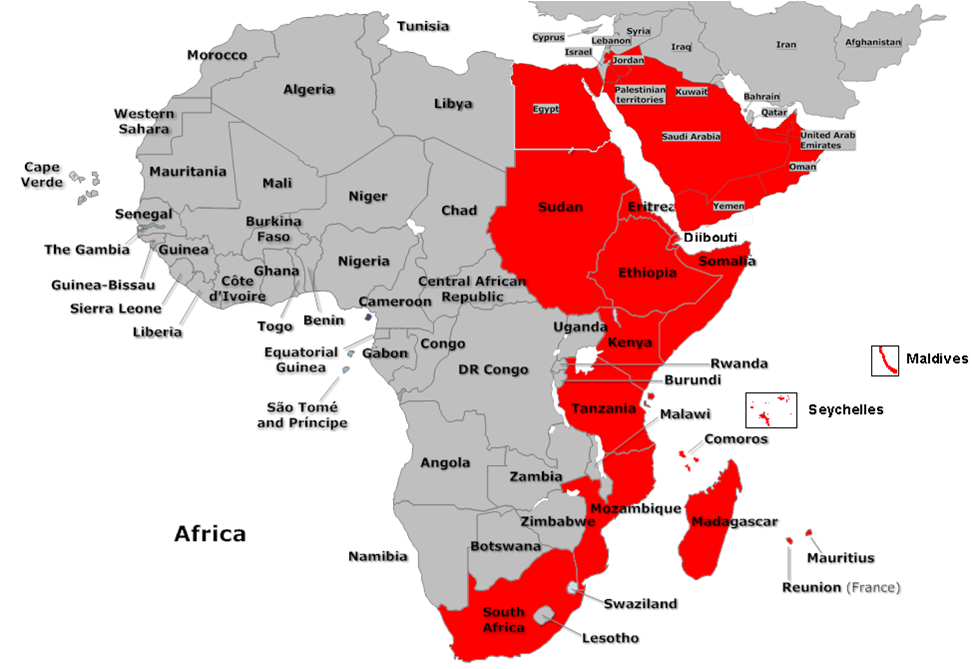 Yesterday I met with representatives from the International Maritime Organization (IMO) to discuss the future of counter-piracy and lessons learned from it. A core issue was the IMO-run Djibouti Code of Conduct Process (DCoC). DCoC is one of the major responses to Somali piracy that conducts capacity building in the region in order to ensure the building of institutions that can prevent a long term solution to piracy. The management of DCoC will be re-organized in the coming months, the specific Project Implementation Unit shut down and the work transferred to normal IMO desks. This is on the one hand a clear signal of how mature the DCoC project has become, with one of the final steps, the opening of the training center in Djibouti to be completed this year. On the other hand this development questions whether in future sufficient attention and energy will be invested by the IMO to go further steps in the implementation of DCoC. The visit also allowed for a longer lessons learned interview with Phil Holihead of IMO which is forthcoming with the Lessons Learned Project of the CGPCS.
Will Maritime Security feature at all on NATO Wales summit agenda?
 NATO’s Wales Summit focuses on Ukraine and Iraq, but what about maritime security? In a new comment published with The Conversation I address the question how important maritime security is for the alliance and that an appropriate implementation plan for the Alliance Maritime Strategy is needed.
Here’s the link:
http://theconversation.com/nato-at-sea-deeper-role-for-alliance-in-maritime-security-31093
Conference on NATO Wales Summit @ Cardiff University
 Next week NATO will hold its summit in Newport, Wales. To complement the summit agenda Cardiff University is hosting a major conference on the future of NATO. The conference taking place on the 2nd of September will feature panels on maritime security, cyber security, smart defense and the future of the transatlantic partnership. Stephen Krasner (Stanford University) will deliver the academic keynote address and Ambassador Alexander Vershbow, Deputy Secretary General, of NATO will provide his insights on the future of NATO as the policy keynote. The full program is available here.
At the conference I will present the outcomes of my research on counter-piracy. Drawing on an article forthcoming with Global Affairs, I will ask what the lessons of piracy are for future maritime security governance.
Chapter on the role of expertise in IR published
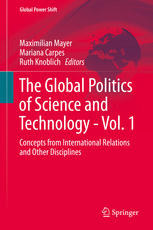 My book chapter which discusses the different way of how expertise in international relations has been studied is now available in print and online as part of the Handbook “The Global Politics of Science and Technology”. It will be an interesting read for anyone interested in the role of experts, politics and knowledge production as well as international organizations. The chapter provides an historical overview and argues that there are three generations of studying expertise in international relations.
The role and functions of expertise in international politics is, since decades, a core research theme. This chapter outlines a history of how the relation between science and international politics has been approached through the lenses of expertise. My intention is to offer a heuristic device. I argue that the debate can be structured in three generations. A first generation is interested in experts as actors that have a causal influence on international politics. The second generation scrutinizes discourses of expertise and their constitutional role in making the international. And the third generation concentrates on practices of expertise and the way these perform the epistemic arrangements of the international. To think about the study of expertise in the frame of three generations each offering different insights and carrying advantages and problems provides not only a practical tool for sorting ideas, but clarifies what one ‘buys in’ by following a specific generation.
The chapter is either available here or as pre-print here.
WISC Conference in Frankfurt: Panels on Maritime Security, Expertise and Practice Theory
 From the 6th to the 9th of August the World International Studies Committee will hold its 4th conference. The conference is hosted by the JWG University of Frankfurt. The conference has a rich program across the entire spectrum of International Relations. Together with Coventry University and the Bundeswehr University Munich I have organized a panel series titled “Maritime Securityscapes”. In the three panels and two roundtables we explore the agenda of new maritime security studies, with a focus on piracy, non-state actors, securitization of the maritime, and maritime security governance.
In addition I am also the discussant of a panel on titled “How experts shape the globe: On Knowledge and Authority in Transnationalized Legal Fields” and present my paper on the epistemic infrastructure of contemporary piracy in a panel titled “the potential of practice-based approaches in IR”.