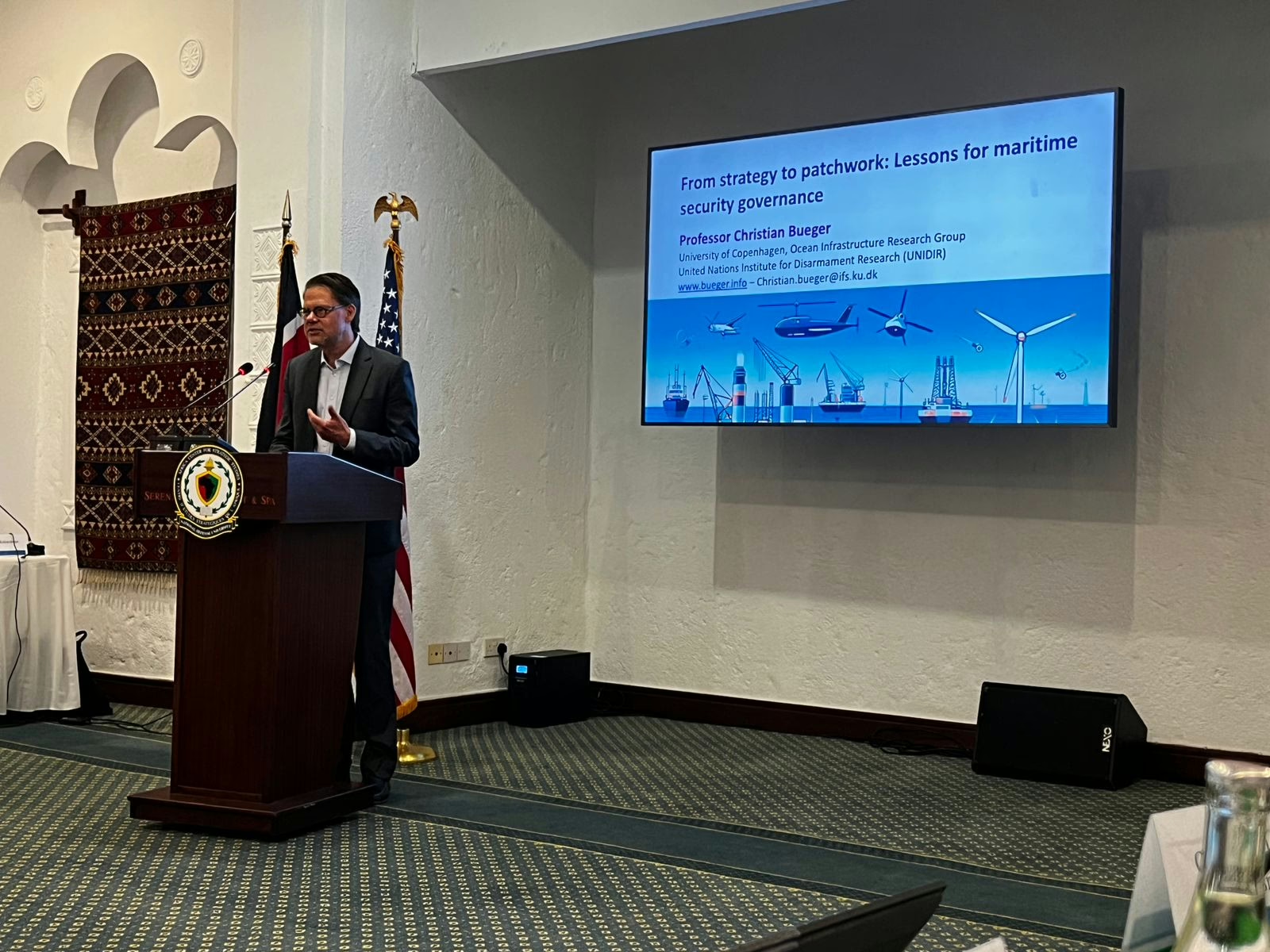
With a range of maritime security challenges and crises on the rise, it is encouraging to see the UN Security Council continuing its discussions on security at sea.
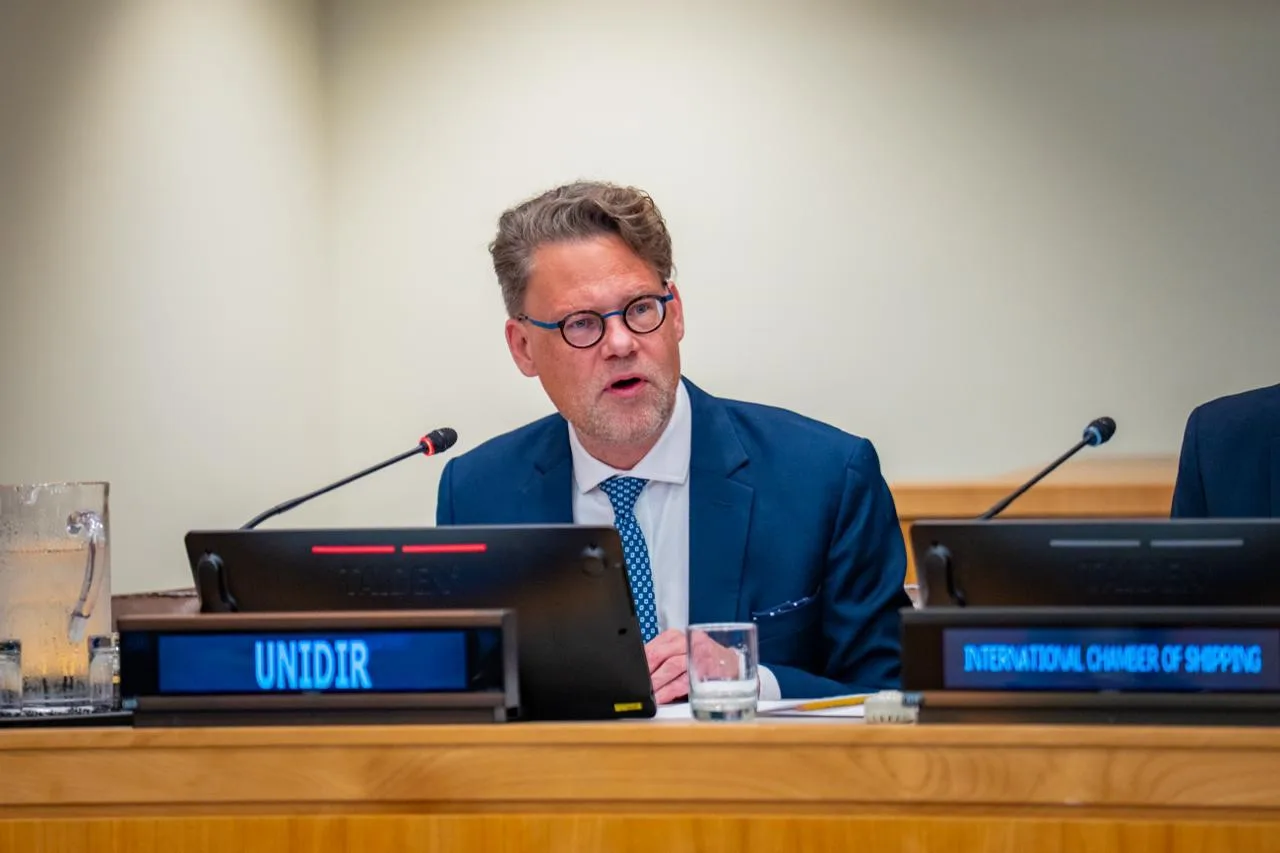
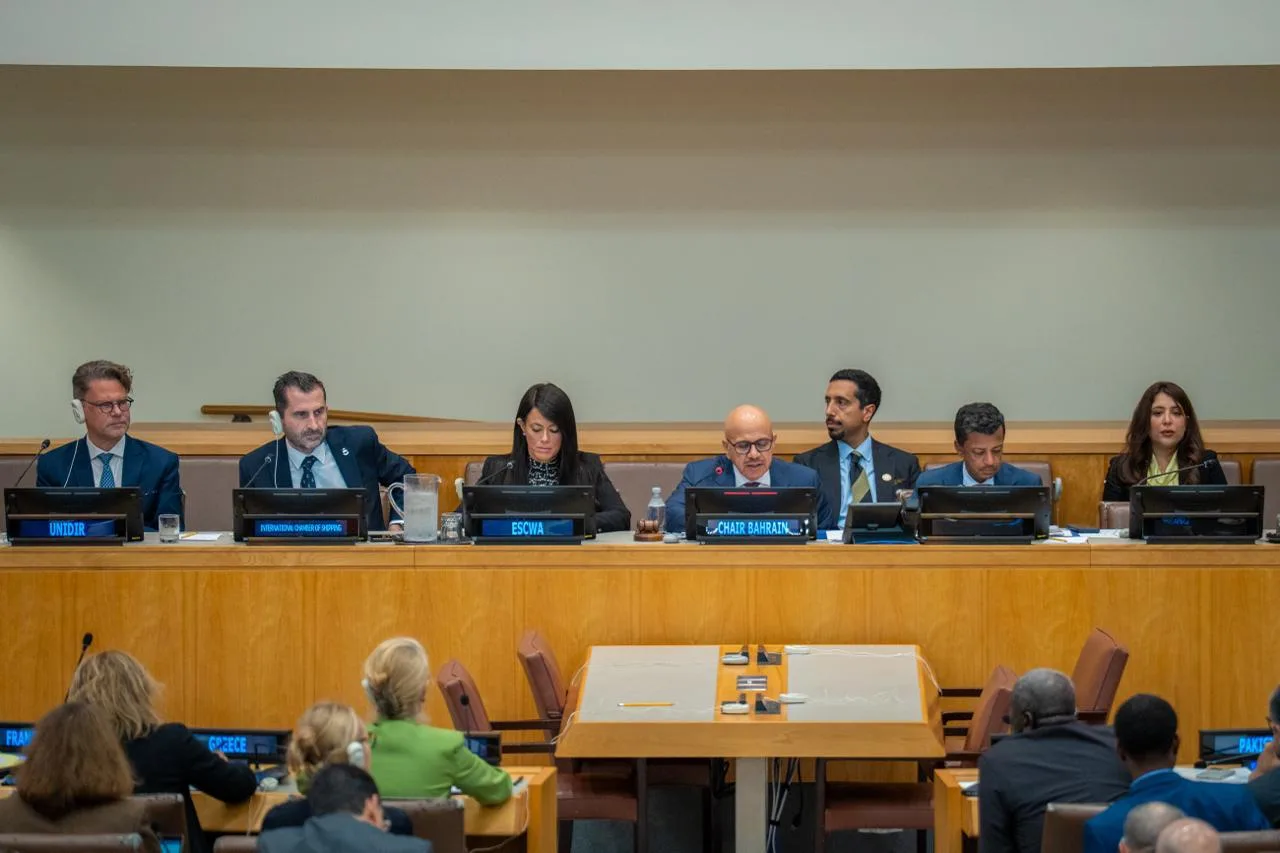
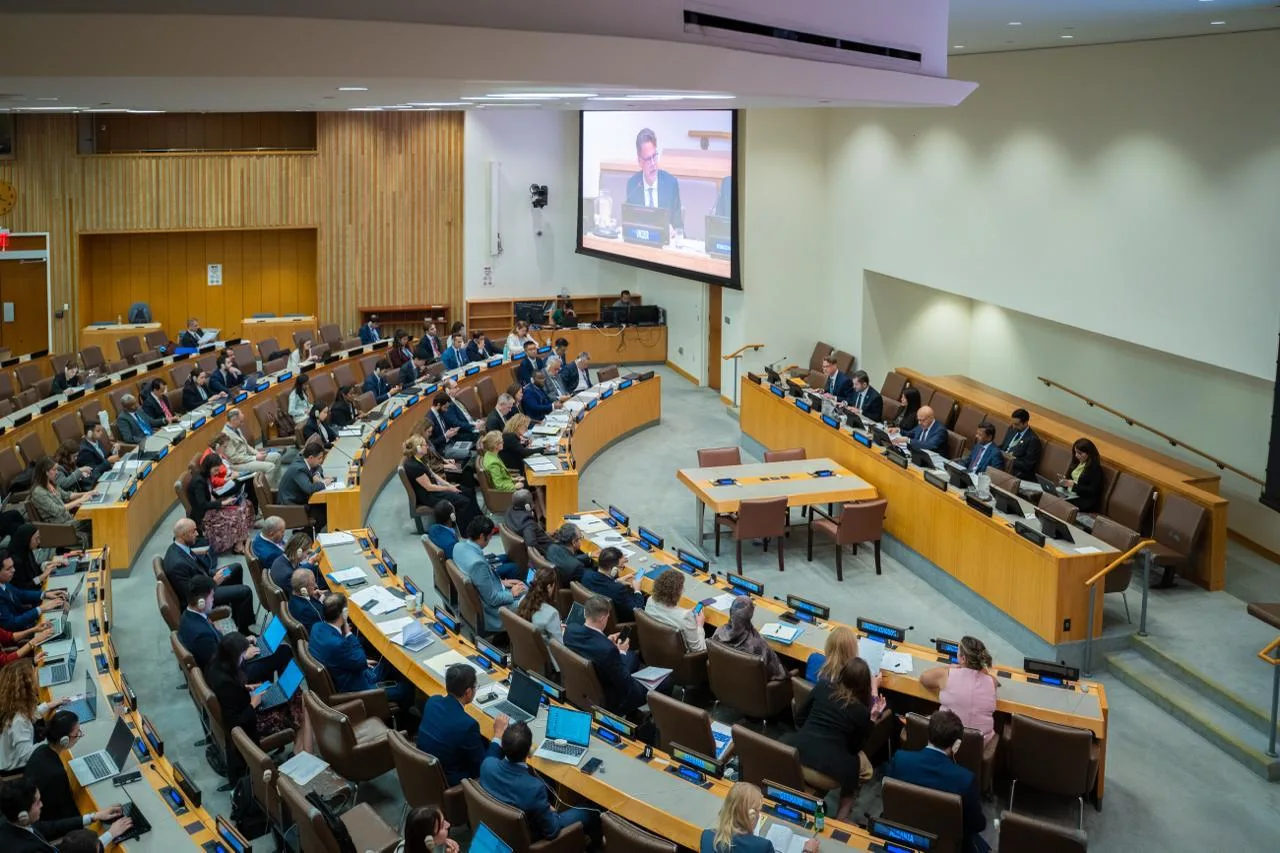
On Thursday, 17.9., the Kingdom of Bahrain convened an Arria-formula meeting on safe seas and freedom of navigation. More than 50 representatives took the floor, underscoring that maritime security remains high on the agenda. The crisis in the Strait of Hormuz received particular attention.
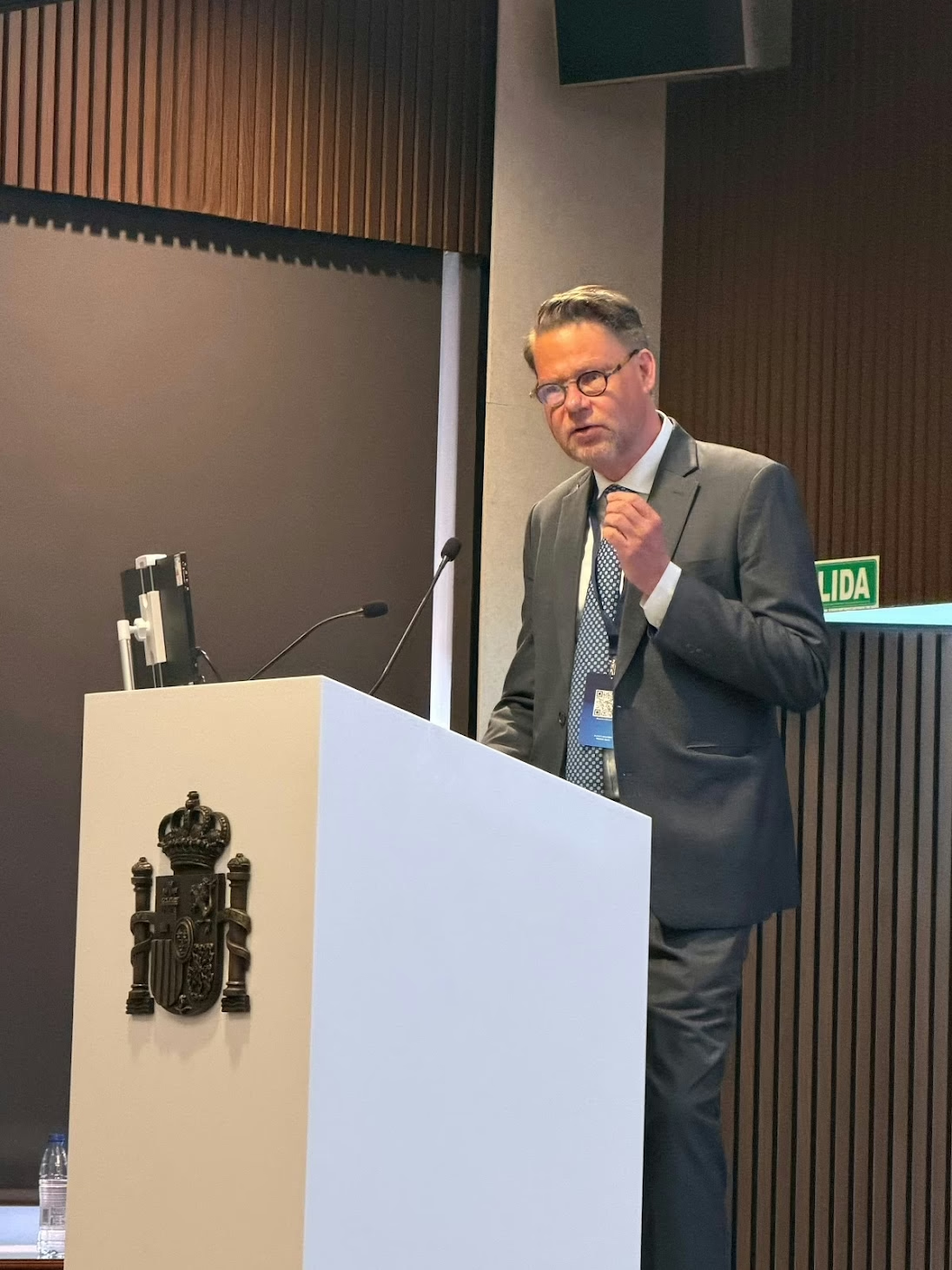
I had the pleasure of addressing the Security Council during the meeting. I stressed the need to look beyond the current crisis in the Strait of Hormuz and maintain a long-term strategic outlook.
Identifying platforms for dialogue on responsible behaviour at sea amid increasingly widespread grey-zone actions, and guiding the UN response in the right direction, will be key. A stronger, evidence-based, forward-looking approach is needed.
Regional seas conventions are important building blocks in maritime security governance. In the Baltic sea the Helsinki Commission (known as HELCOM) works on scientific cooperation, the fight against marine pollution, and coast guard collaboration since 1974.
At an event titled “Baltic Green and Gray: HELCOM and the Environment-Security Nexus in the Baltic Sea Region”, co-organized by HELCOM and the Polish embassy in Finland, I had the opportunity to share my thoughts on the changing security landscape, and how Regional Seas Conventions can help us to adapt to a sea that is increasingly seeing grey zone strategies and tactics.
The crisis in the Strait of Hormuz has brought new uncertainty and rising levels of maritime insecurity to the Western Indian Ocean.
The pirates of Somalia have resumed their activities, navies are more focused on other challenges than blue crimes in the region, and the future strength of the Combined Maritime Forces — one of the primary regional maritime security operations — is uncertain.
Under such conditions, established maritime security institutions are more important than ever. On Friday, 24.7.2026, the Contact Group on Illicit Maritime Activities (CGIMA) held a plenary meeting in hybrid format in Mauritius.
As I have frequently highlighted in analytical pieces and commentaries, the Group — successor to the highly successful Contact Group on Piracy off the Coast of Somalia — is potentially an important building block in the region’s maritime security architecture.
So far, however, it has struggled to fulfill this role. The Group, currently chaired by Seychelles and supported by a secretariat at the Indian Ocean Commission, did not respond, for instance, to the recent piracy resurgence.
Hopefully the plenary meeting will add some new momentum to the Group, complementing what is being achieved within the Djibouti Code of Conduct, the Regional Maritime Security Architecture, and formats such as SHADE.
Learn more about why CGIMA matters, and what it needs to do, in the video of my brief intervention at the plenary.
What’s the state of play of EU maritime security policy?
Ireland, which holds the presidency of the European Council until the end of the year, has made maritime security a priority. The country invited me to give a talk last week to reflect on this question and provide a strategic review.
This was a great opportunity to revisit the assessment I did with Tim Edmunds, published three years ago in the Naval War College Review. What has changed?
On one side, not that much. The EU continues to grapple with the strategic challenges we set out in 2023: the plethora of strategic documents — now joined by the 2024 EU Maritime Strategy and the European Ocean Pact — still doesn’t give clear direction or harmonise efforts; interagency coordination remains less developed than it could be; and capacity-building efforts are still fragmented across a growing multitude of projects with 3-5 year lifespans. Most EU operations are running at capacity and facing real constraints, a problem that has become more acute since the launch of Aspides in 2024.
On the other side, the context of maritime security has shifted profoundly with the arrival of the age of grey-zone tactics. Critical maritime infrastructure protection has broadened the agenda and led to a flurry of activity, such as the EU’s subsea cable action plan. Maritime cybersecurity challenges are on the rise. The crises in the Red Sea and, later, the Strait of Hormuz have turned the sea into a far more volatile environment.
Perhaps most problematic in light of these developments: the EU has started to abandon its ambition to be a “global maritime security provider.” Much of current maritime security policy is inward-looking — concerned with European waters rather than the stability of the global maritime domain.
Yet at a time when the United States’ role as guarantor of global maritime security is increasingly questioned, it is vital that the EU sustains its ambitions. One way forward is to breathe new life into emerging partnerships — with the Nordic-Baltic 8++, the Gulf Cooperation Council, Türkiye, and India.
The EU could also show more leadership in multilateral processes: the UN Security Council debate on a global maritime security structure, advancing the law of naval warfare, addressing sea mine proliferation, and related areas.
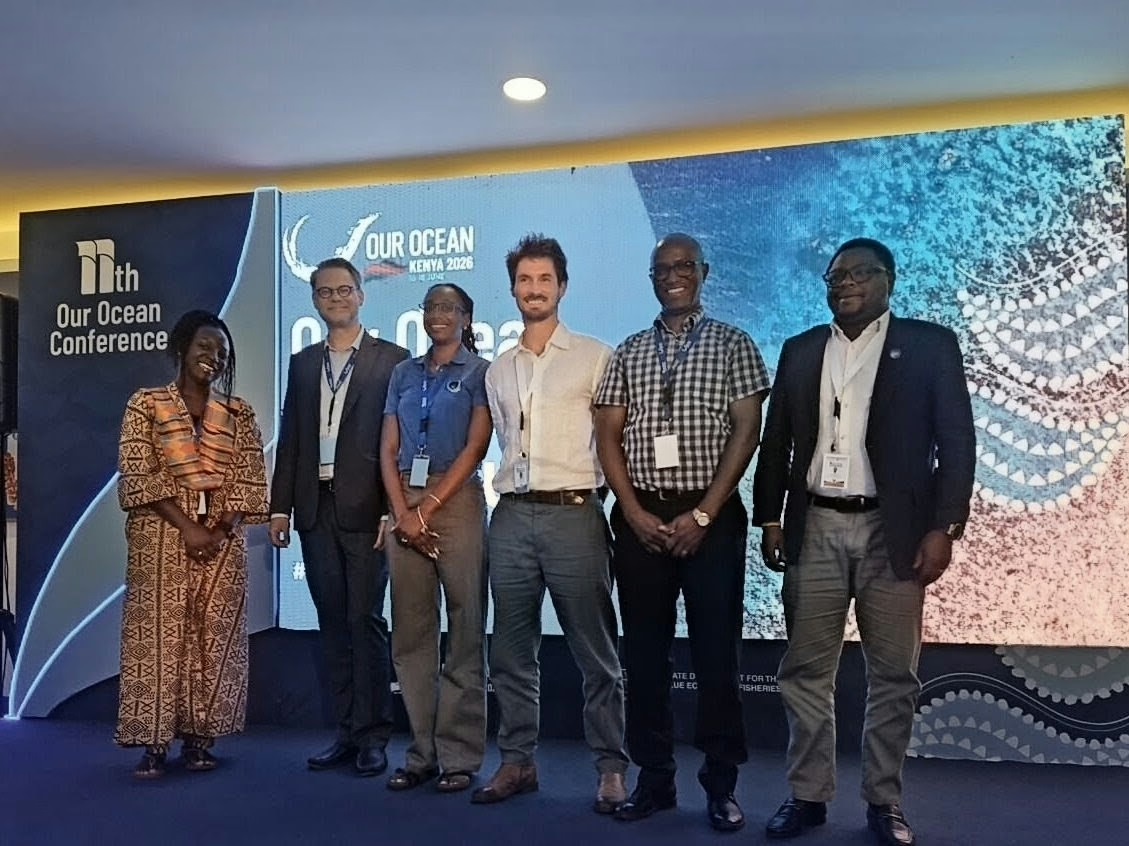
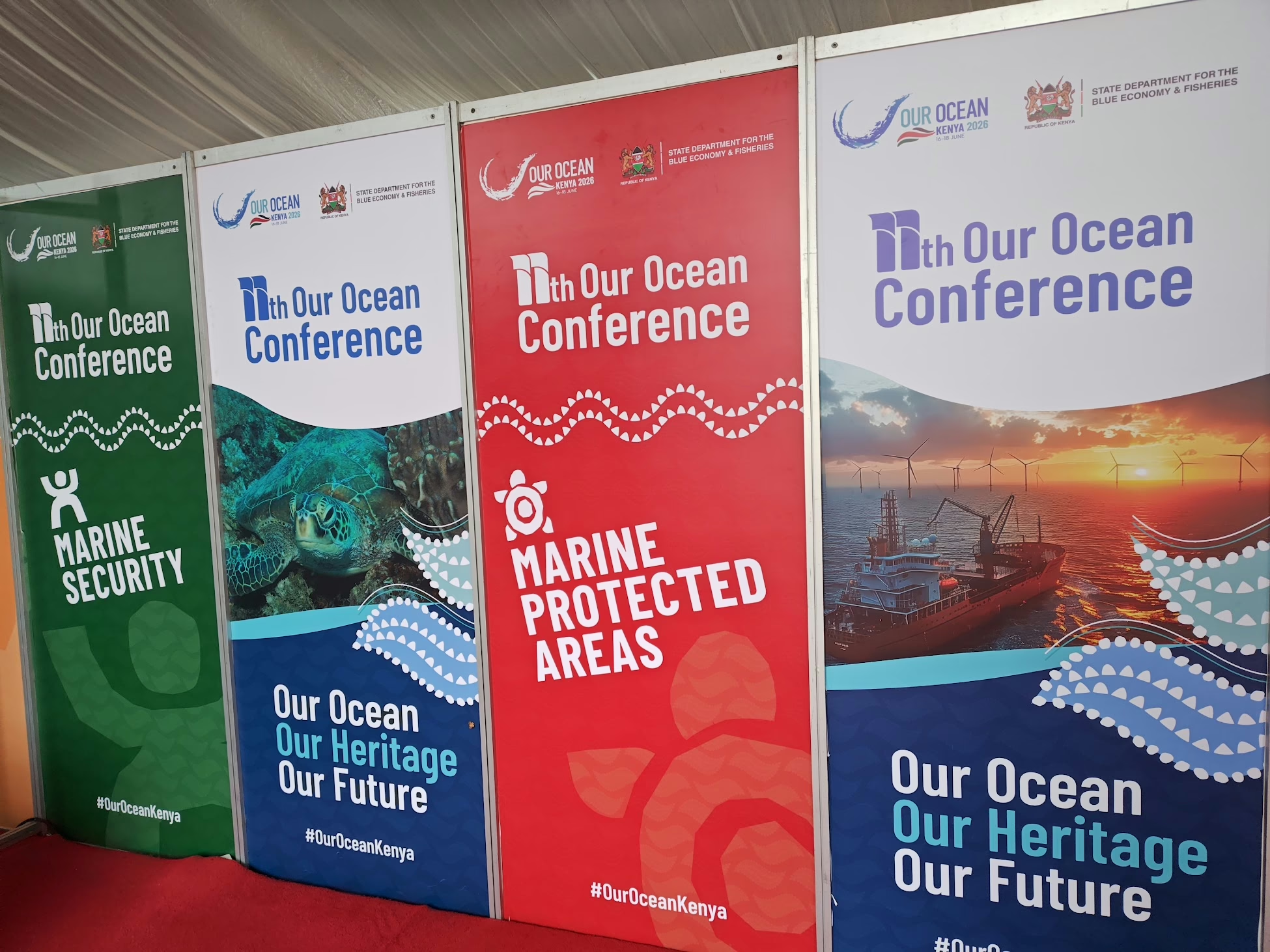
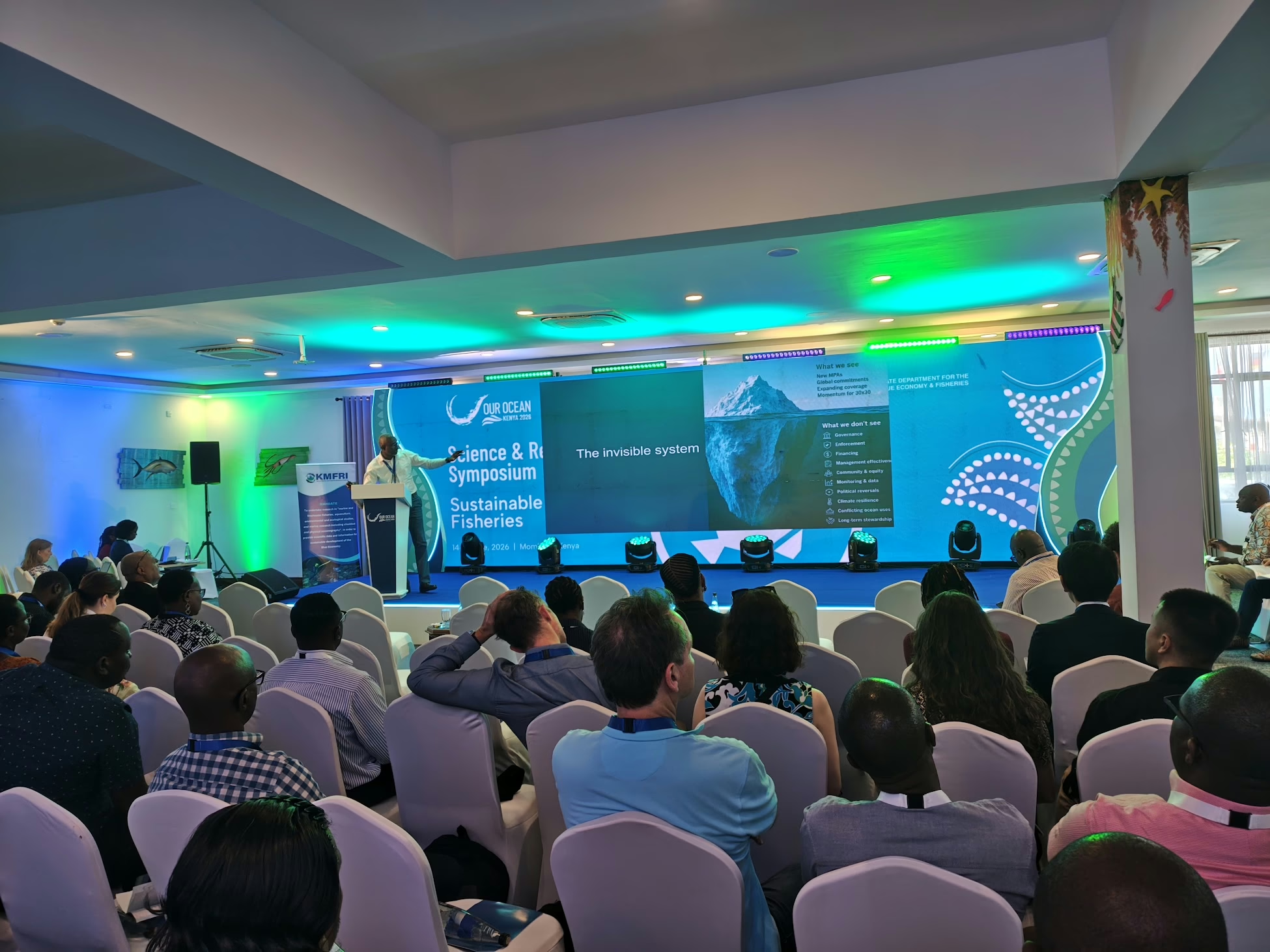
‘Our Ocean Conference’ is an annual fixture in the global ocean governance calendar. It brings together philanthropists, NGOs, community actors and politicians to strengthen the implementation of the ocean agenda, including the ambitions under the SDG14, 30×30 biodiversity target, and the new BBNJ treaty. The 2026 edition, the 11th conference, is the first time held in Africa, with Mombasa acting as the host city. This brings much-needed attention to the support needs of the African continent.
Although maritime security is one of the priority areas of the conference, there is little sign that the importance of security, safety and blue crime as a major risk factor in ocean governance is taken seriously. After all, any incident — whether piracy or an oil spill — can rapidly undermine conservation efforts and threaten long term blue economy investments. Only three panels of the five day conference deal substantially with blue crimes, with the main focus on illicit fishing and pollution crimes. Other challenges which should feature, such as marine safety, coast guard cooperation, or the role of shipping and ports, do not feature on the agenda.
I had the pleasure to give two presentations. At one of the pre-conference panels, I discussed the importance of better integrating maritime domain awareness with other information sharing systems, including those developed for ocean observation and marine spatial planning. This draws on my ongoing work on Maritime Domain Awareness and a collaboration with Paul Trautendorffer of JPI Oceans. At an informal side event on the Regional Maritime Security Architecture in the Western Indian Ocean, organized by the Indian Ocean Commission, the Kenya Navy, and the University of Oxford, I gave a brief talk on the changing maritime security environment and how research can assist in coping with it.
Delighted to note that the Charles Telfair Centre of Mauritius, which I joined as an associate fellow this year, has a strong presence. Dr. Myriam Blin, the director of the Centre, was invited to chair the main plenary session focused on maritime security, which is scheduled for this Thursday. This is evidence of growing recognition that island leadership is key in maritime security. Yet, more efforts will be needed to build stronger bridges between maritime peace and security and the other ocean agendas.
Over the last week I had a series of engagements with the maritime security community in Türkiye.
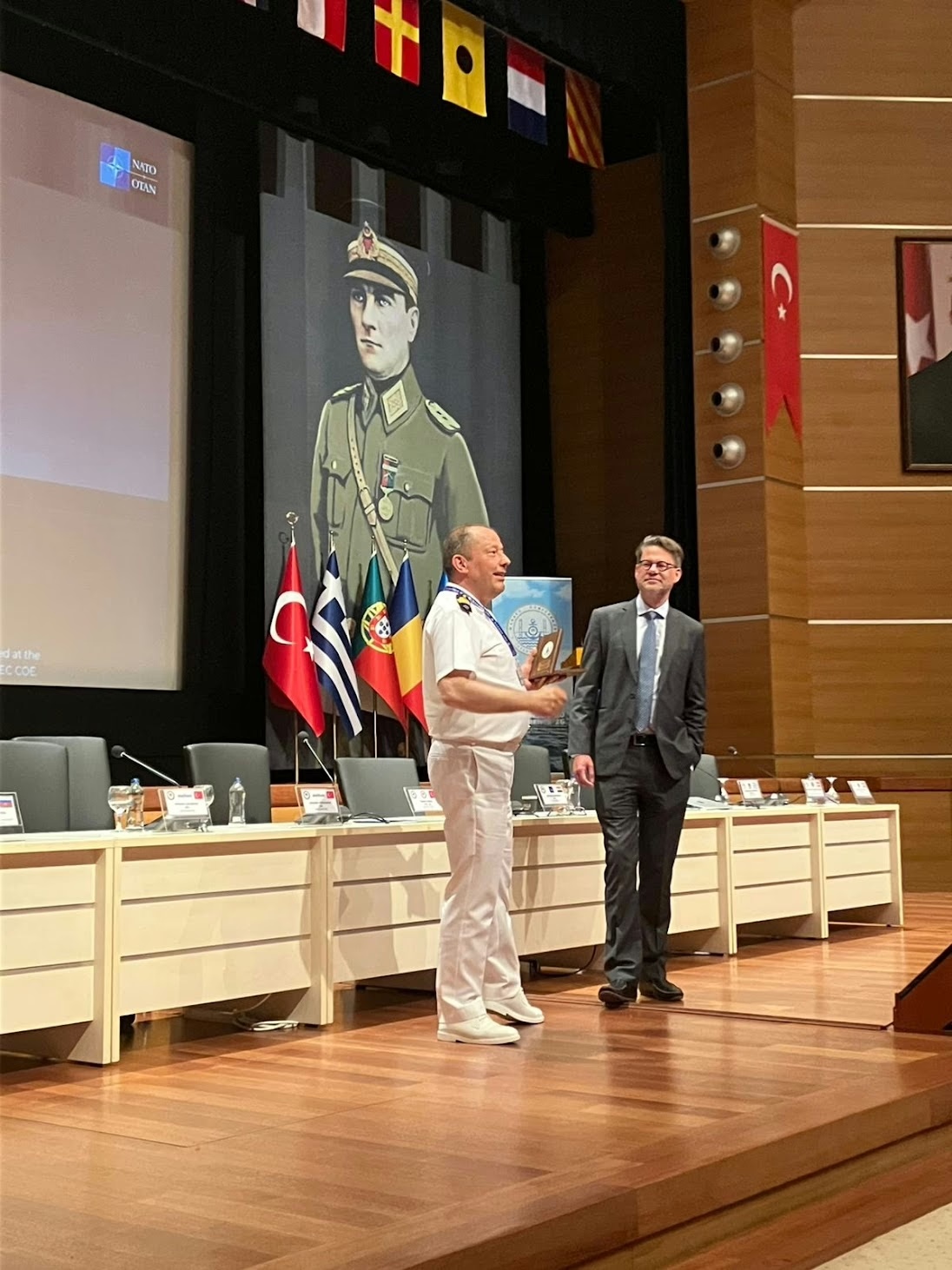
The annual conference of the NATO Maritime Security Center of Excellence in Istanbul is an increasingly important thinking space for developing strategy on maritime security. This year’s focus was on the grey zone and I had the pleasure to act for the second time as the conference’s academic advisor. Key points:
Whether it is sabotage of infrastructure, spoofing and jamming, shadow fleets, or attacks on shipping, the grey zone is increasingly defining the maritime security agenda.
As stressed in my opening and closing remarks at the conference, we need to develop our conceptual vocabulary on the grey zone, think through the ‘black and whites’ categories involved, and tailor responses.
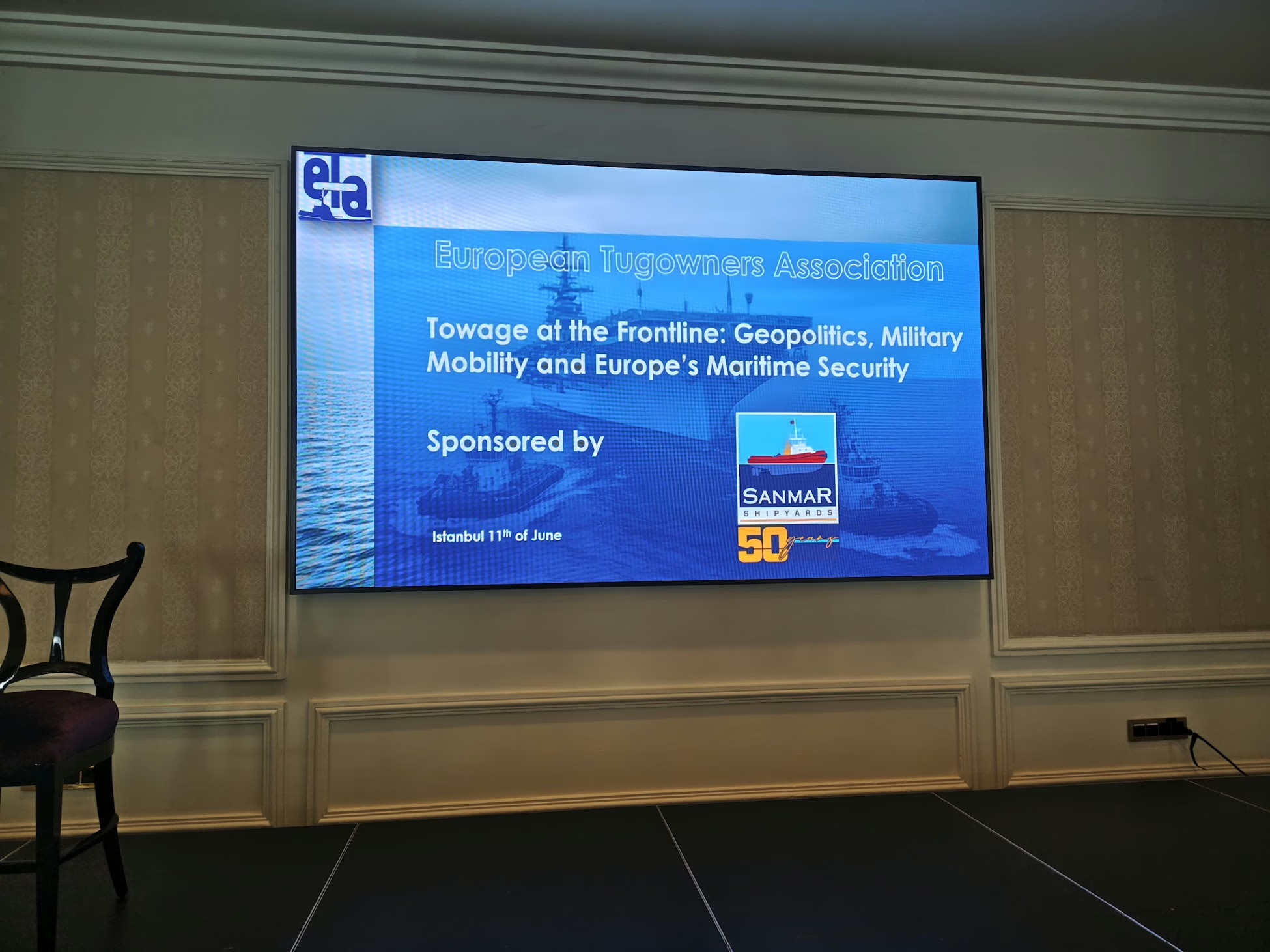
I also gave a presentation at the gathering of the European Tugowners Association in Istanbul. The event reflected on the consequences of maritime security for the industry. Key point:
Tugboat operations are vital for the transport industry, but are mainly invisible. Yet, they might be more crucial for maritime security than often considered.
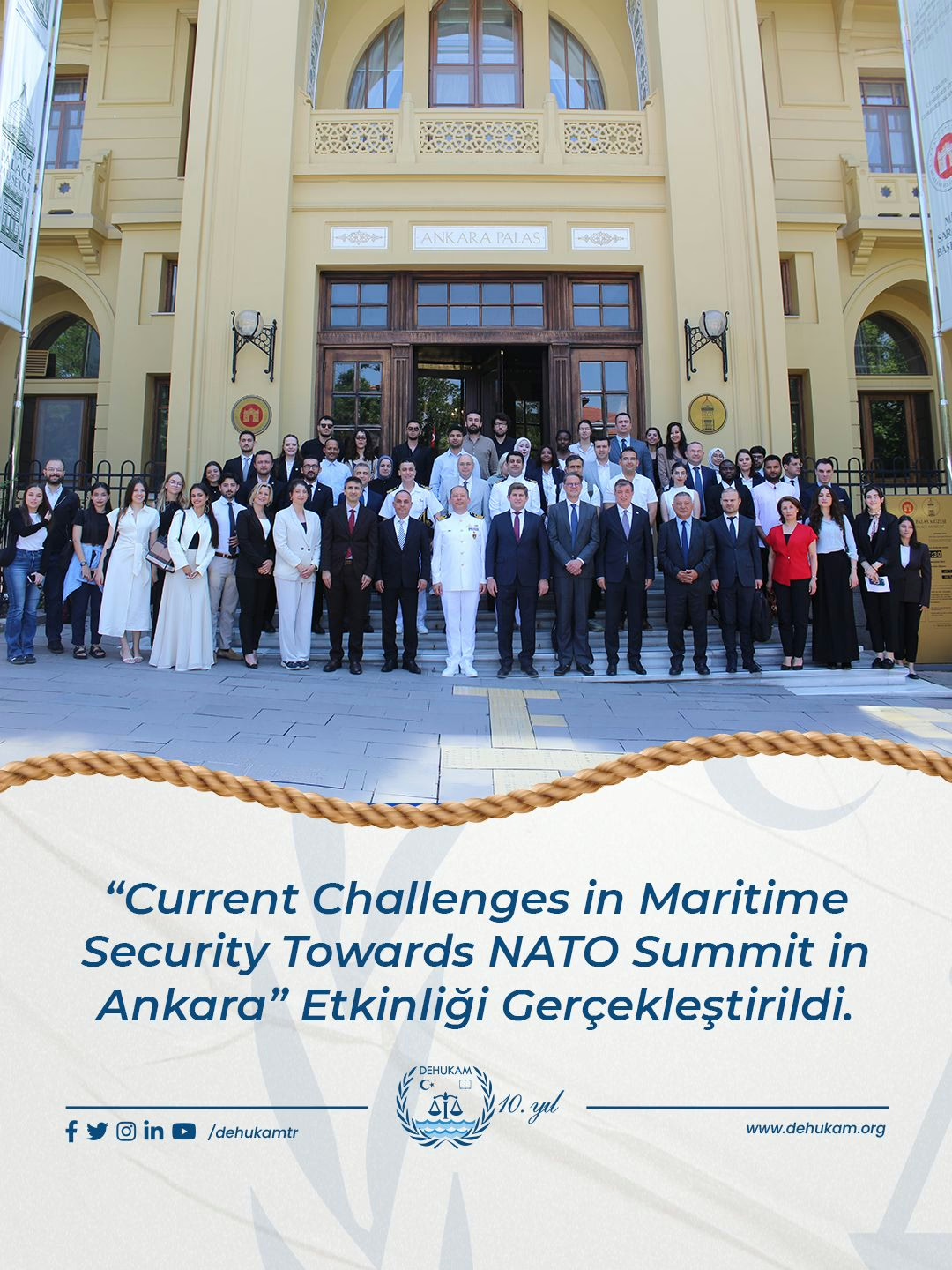
Last was a conference organized by DEHUKAM in Ankara as part of the run-up to the 2026 NATO summit. We focused on the lessons from the situation in the Black Sea and the Strait of Hormuz. Key points:
It’s important that NATO develops a clearer understanding of what roles it plays in addressing maritime security in these contexts.
The need to adapt and develop better strategies in light of the proliferation of low-cost and autonomous weapons and grey zone incidents is paramount.
How are navies and the transport industry coping with ongoing uncertainty in the Strait of Hormuz and wider Western Indian Ocean?
Attacks on shipping, the US naval blockade, mines in the Strait of Hormuz, but also the ongoing threat from Houthi forces and the resurgence of piracy combine to create a volatile environment. The negotiations between Iran and the US are ongoing with an uncertain timeline and little prospect for immediate resolution.
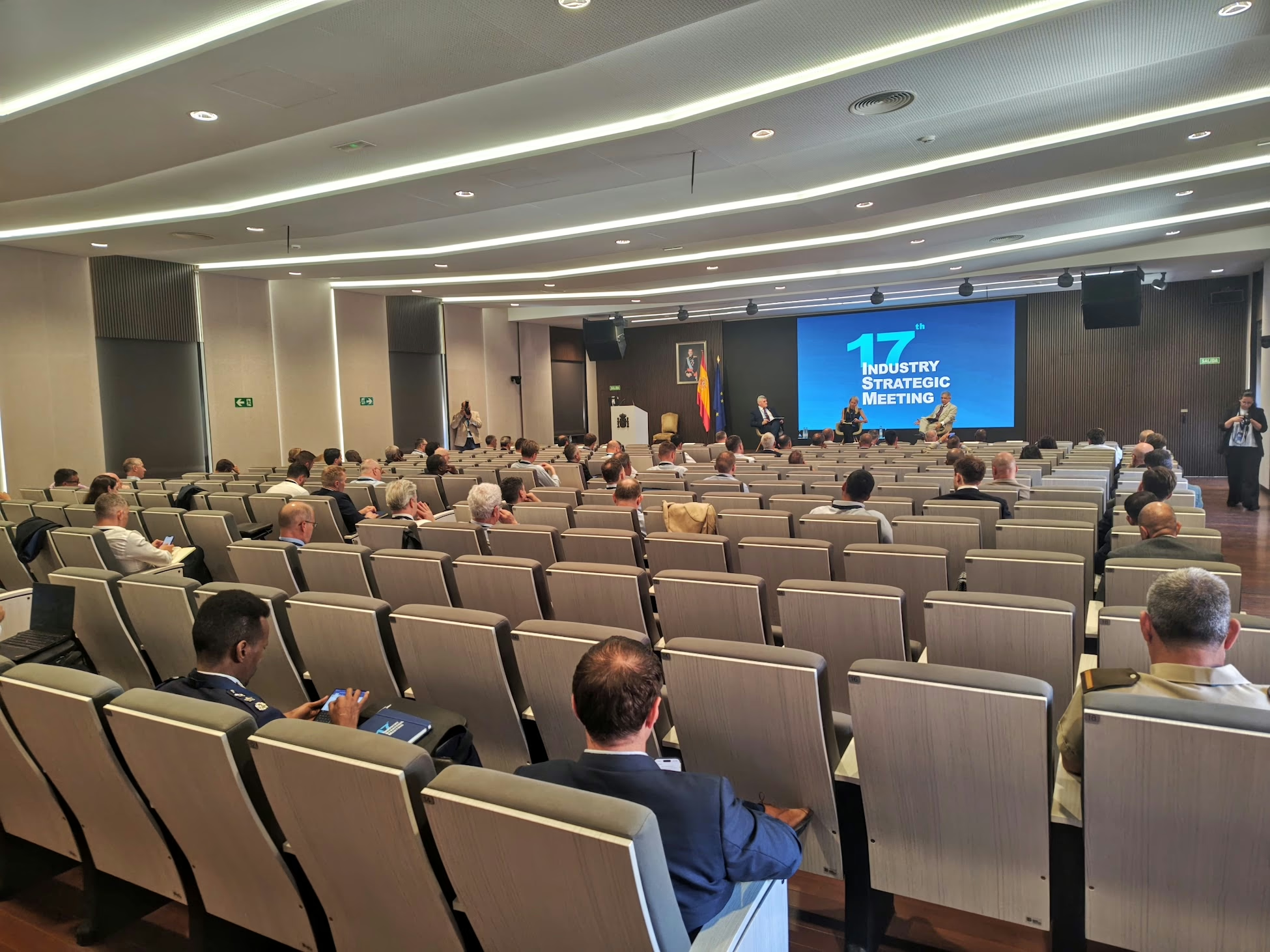
Over the last few days, I had the pleasure of participating in the 17th Industry Strategy Meeting (ISM) organized by EU Naval Operation Atalanta in cooperation with Aspides and the Combined Maritime Forces.
The ISM is an established fixture in the annual maritime security calendar, bringing together naval missions operating in the region and representatives of the shipping industry to review threats, risks, and operational effectiveness. Held each spring in Madrid, it forms a pair with the Shared Awareness and Deconfliction Meeting (SHADE), which convenes each autumn in the region itself — together providing a rhythm of strategic reflection and operational coordination across the year.
Challenges and Gaps in the current response
Five key insights from the meeting:
(1) The multinational military mission led by France and the UK (which now has the acronym M3 SoH) is being prepared with several naval assets deployed to the region. Planning is now on two levels: a political contact group and military coordination. The current time horizon is 12 months. There is little sign that the shipping industry has been meaningfully consulted, or that questions such as environmental consequences or the long-term legal status and transit regime have been properly addressed.
Global maritime security depends on effective regional institutions. In the Western Indian Ocean, a major building block is the Djibouti Code of Conduct (DCoC) — a platform connecting 21 countries from the Eastern African shore, the Red Sea, and the Arabian Gulf.
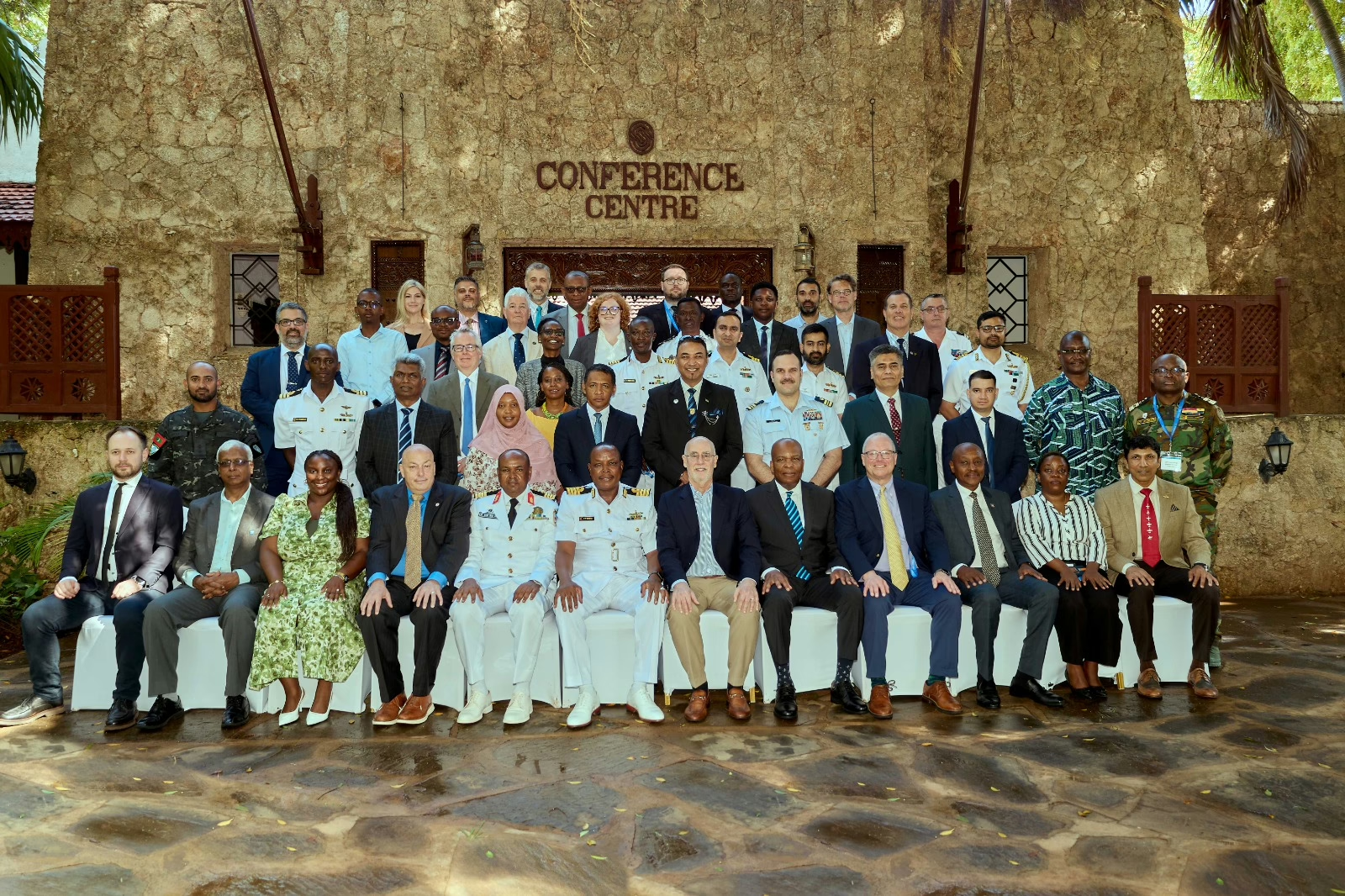
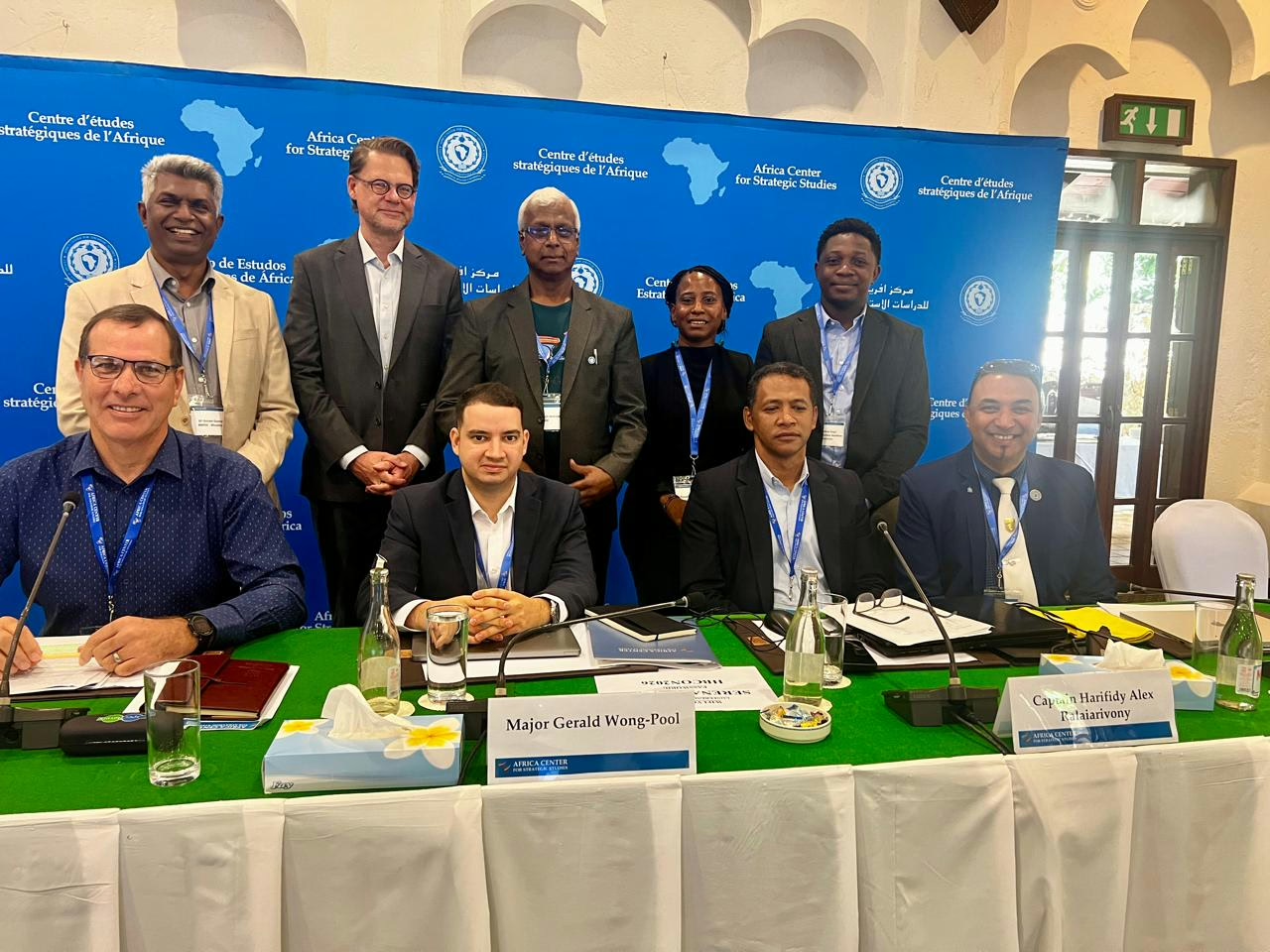
What’s the state of play of this grouping of states? Over the last few days, I participated in a seminar in Mombasa, Kenya, organized by the U.S. Africa Center for Strategic Studies to find out.
How does DCoC operate?
The DCoC continues to serve as a platform for maritime law enforcement professionals and maritime authorities, facilitated by the International Maritime Organization — the United Nations’ shipping regulator. Created in 2009 to contribute to the fight against piracy, its mandate was later expanded to cover maritime crime more broadly. Over the years, the platform has matured institutionally, developing a steering committee and three working groups.
In essence, the DCoC has two main purposes:
To set standards for how member states organize their maritime security governance and to enable coordination among them,
To coordinate the delivery of capacity building.
The organization has clearly progressed in developing standards, yet national implementation remains limited. Capacity-building coordination is important but highly intricate, given divergent donor interests and political considerations.
What are the challenges?
The DCoC continues to pursue ambitious plans, yet regional meetings alone will not be enough to realize them. National politics, resource constraints, funding limitations, and diverging priorities remain difficult hurdles to overcome.
Another persistent challenge is how the DCoC interacts with other regional platforms. The interfaces between the DCoC and the Regional Maritime Security Architecture — a well-functioning, smaller cooperation framework between seven Eastern African states led by the Indian Ocean Commission and funded by the European Union — are becoming increasingly well organized.
However, linkages to other regional maritime security entities, ranging from the Gulf Cooperation Council and India’s regional information-sharing center to the Nairobi Convention, the Combined Maritime Forces or the Indian Ocean Rim Association remain ambiguous and underdeveloped.
Will geopolitical fragmentation impact the partnership?
While not yet immediately visible at the meeting I attended, the DCoC will not escape broader geopolitical fragmentation. This includes relations among member states and their neighbors, dynamics involving India and Pakistan, South Africa’s geopolitical positioning, and the evolving role of the United States in the region — not least in light of the recent Gulf War.
Stewardship by a United Nations agency will remain important to move this platform forward. At the same time, it raises the question of whether the region might benefit from smaller, more functional cooperation frameworks — potentially decoupling Red Sea and Gulf security from the distinct challenges and needs of African coastal states.
Another pathway would be to continue the process of institutional maturation and begin treating DCoC agreements as a form of regional customary law. Whether national legislatures are ready to move in that direction remains uncertain.
Back from maritime security discussions in New York. Some key observations:
The situation in the Persian Gulf is unsurprisingly dominating the agenda at the UN. The historic consensus around Security Council Resolution 2817, co-sponsored by no less than 136 countries, documents that the UN and the Security Council have to play a major role in resolving the war.
Bringing shipping back to the Strait of Hormuz is a top priority, but will be tricky. The Secretary-General’s new initiative to establish a humanitarian mechanism for shipping fertilizer is a beacon of hope. It could be a starting point for restoring trust and confidence and provide the seeds for a more sustainable arrangement.
Planning for post-conflict scenarios for the Strait of Hormuz is under way. Several scenarios are discussed at high levels. The first UN maritime peace operation is one option on the table. All of this can only start once a ceasefire is in place.
Importantly, the current crisis feeds the momentum that the UN system requires a more sustained and strategic approach to maritime security. The strong consensus to act became visible during the two high-level debates last year. Delighted to learn that Bahrain will drive the debate forward during its April presidency.
I had the pleasure of briefing the UN Task Force on Security Sector Reform on how UN-level maritime security work can be better coordinated. For the task force, the sea is one of its eight priorities. Small steps so far, but very important and promising. I hope we will see more from the taskforce.
Thanks to the delegations that took time out from their busy schedules to meet me. Special thanks to Thomas Tödtling and Christophe Pradier for their leadership in pushing forward the agenda.
Looking forward to visiting the city again soon to feed in ideas for this important debate.
Southeast Asia has long been a region of maritime security innovation. A key driver was the maritime piracy crisis in the late 2000s.
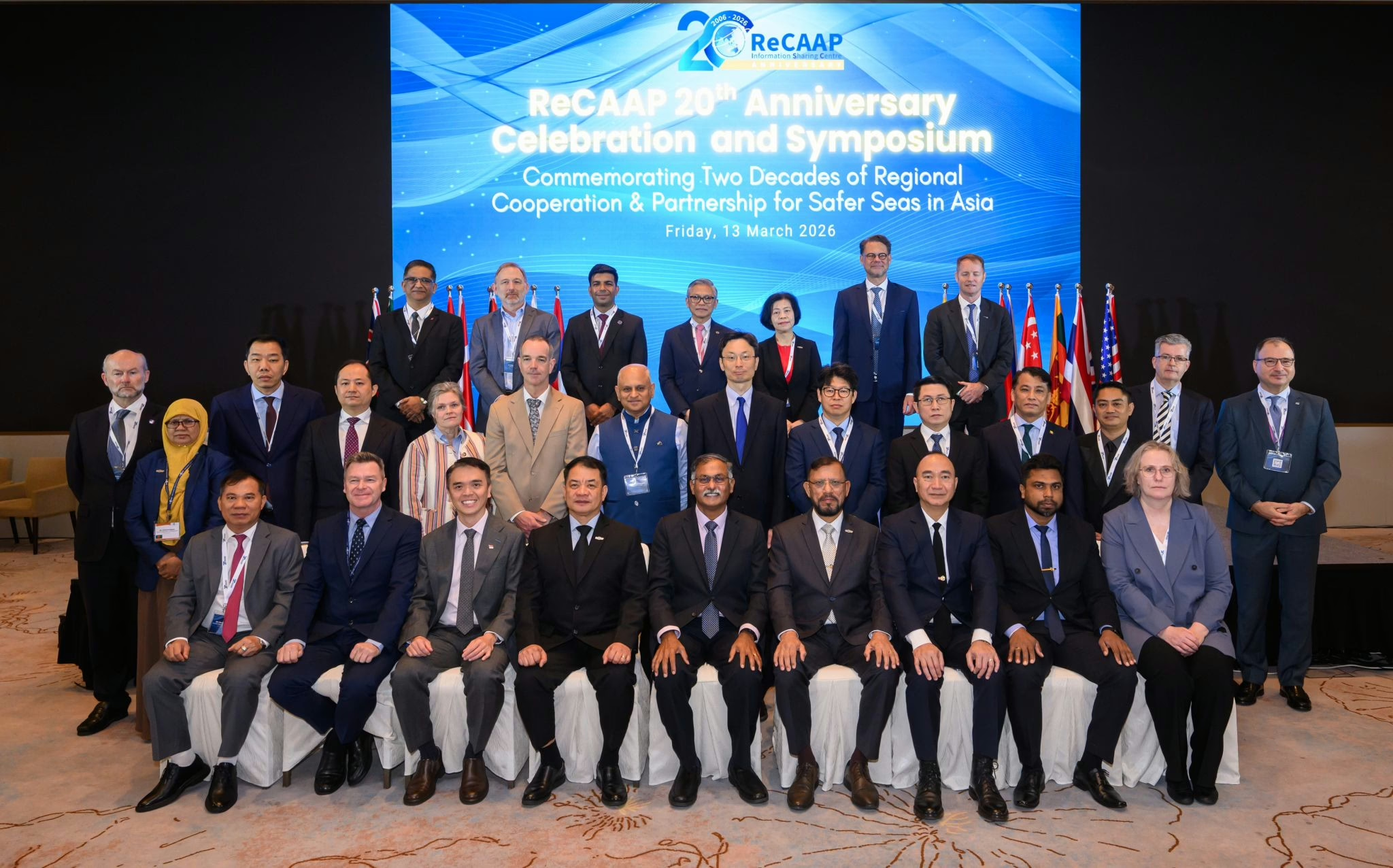
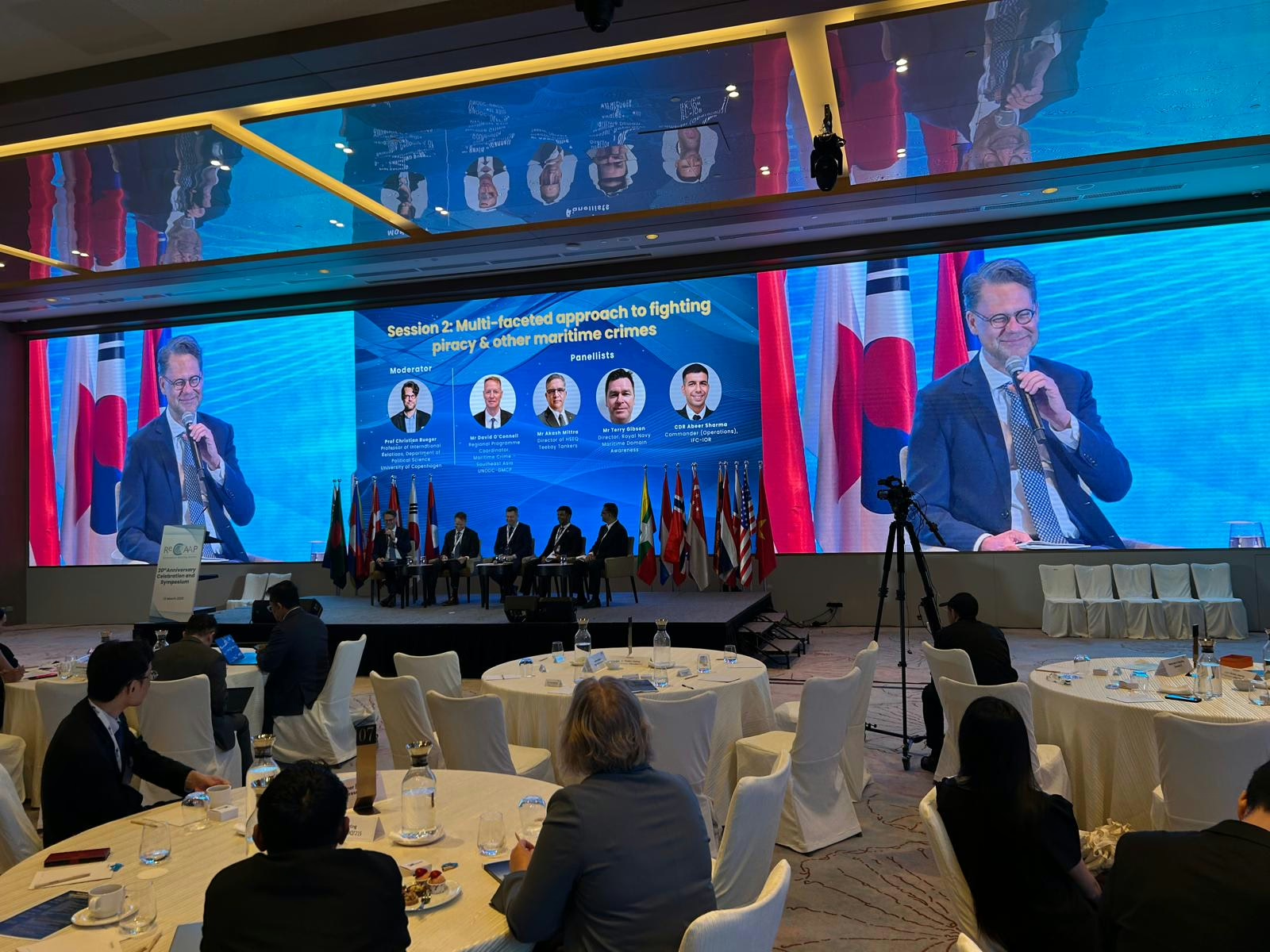
A key regional governance mechanism originating from that time is the Regional Cooperation Agreement on Combating Piracy and Armed Robbery against Ships in Asia (ReCAAP) and its associated Information Sharing Centre (ISC). ReCAAP is one of the few legally binding and well institutionalized regional maritime security frameworks that has served as a role model for arrangements such as the Djibouti Code of Conduct in the Western Indian Ocean and the Yaoundé Code of Conduct in the Gulf of Guinea.
ReCAAP’s main function is to provide a clearing house for piracy-related information and to analyze available incident data. It’s key strength is to ensure high level of awareness and understanding of piracy in the region, even if threat levels are low. The centre’s work is moreover important in capacity building and the exchange of lessons across global ocean regions.