Over the last week I had a series of engagements with the maritime security community in Türkiye.
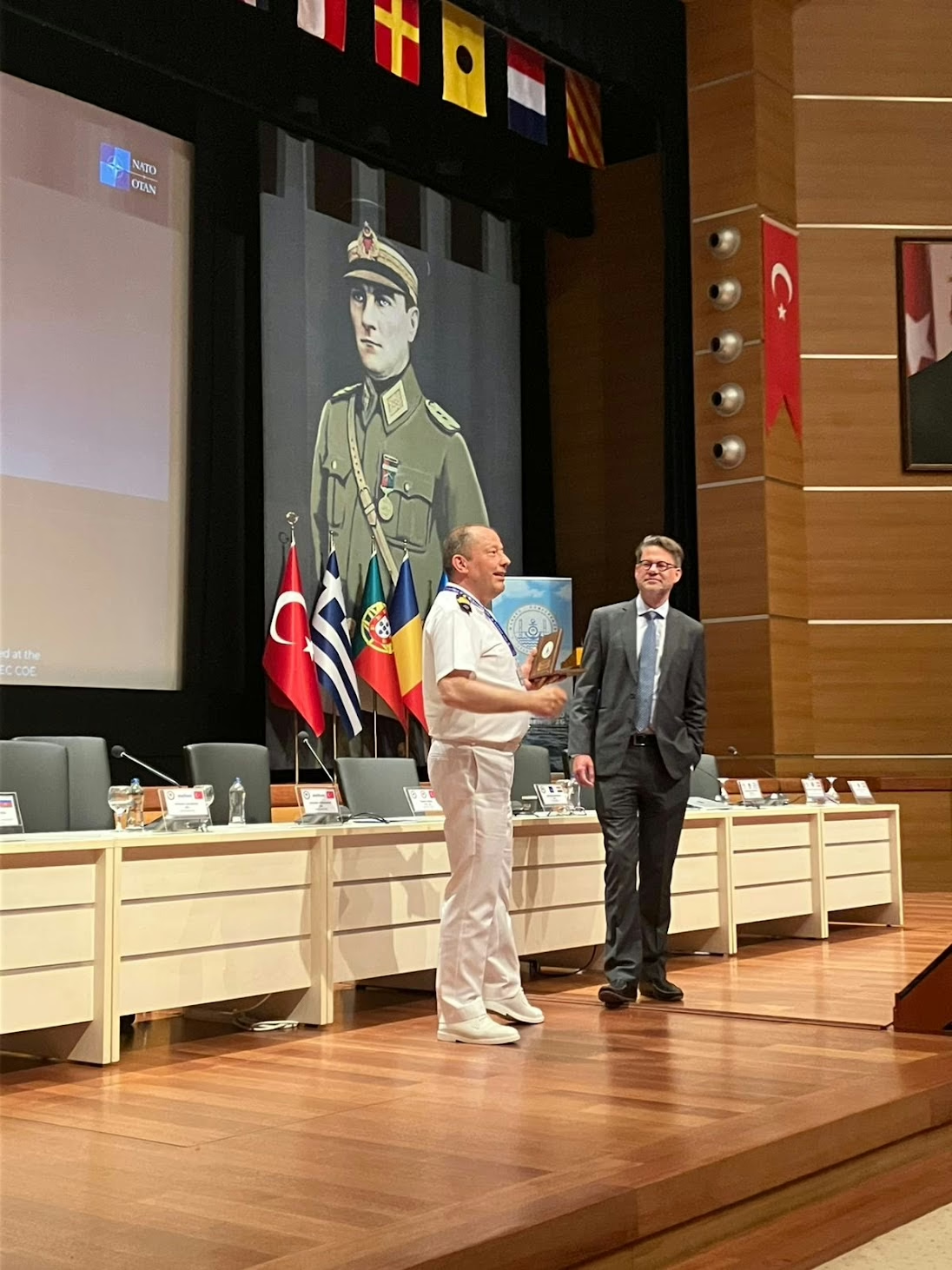
The annual conference of the NATO Maritime Security Center of Excellence in Istanbul is an increasingly important thinking space for developing strategy on maritime security. This year’s focus was on the grey zone and I had the pleasure to act for the second time as the conference’s academic advisor. Key points:
Whether it is sabotage of infrastructure, spoofing and jamming, shadow fleets, or attacks on shipping, the grey zone is increasingly defining the maritime security agenda.
As stressed in my opening and closing remarks at the conference, we need to develop our conceptual vocabulary on the grey zone, think through the ‘black and whites’ categories involved, and tailor responses.
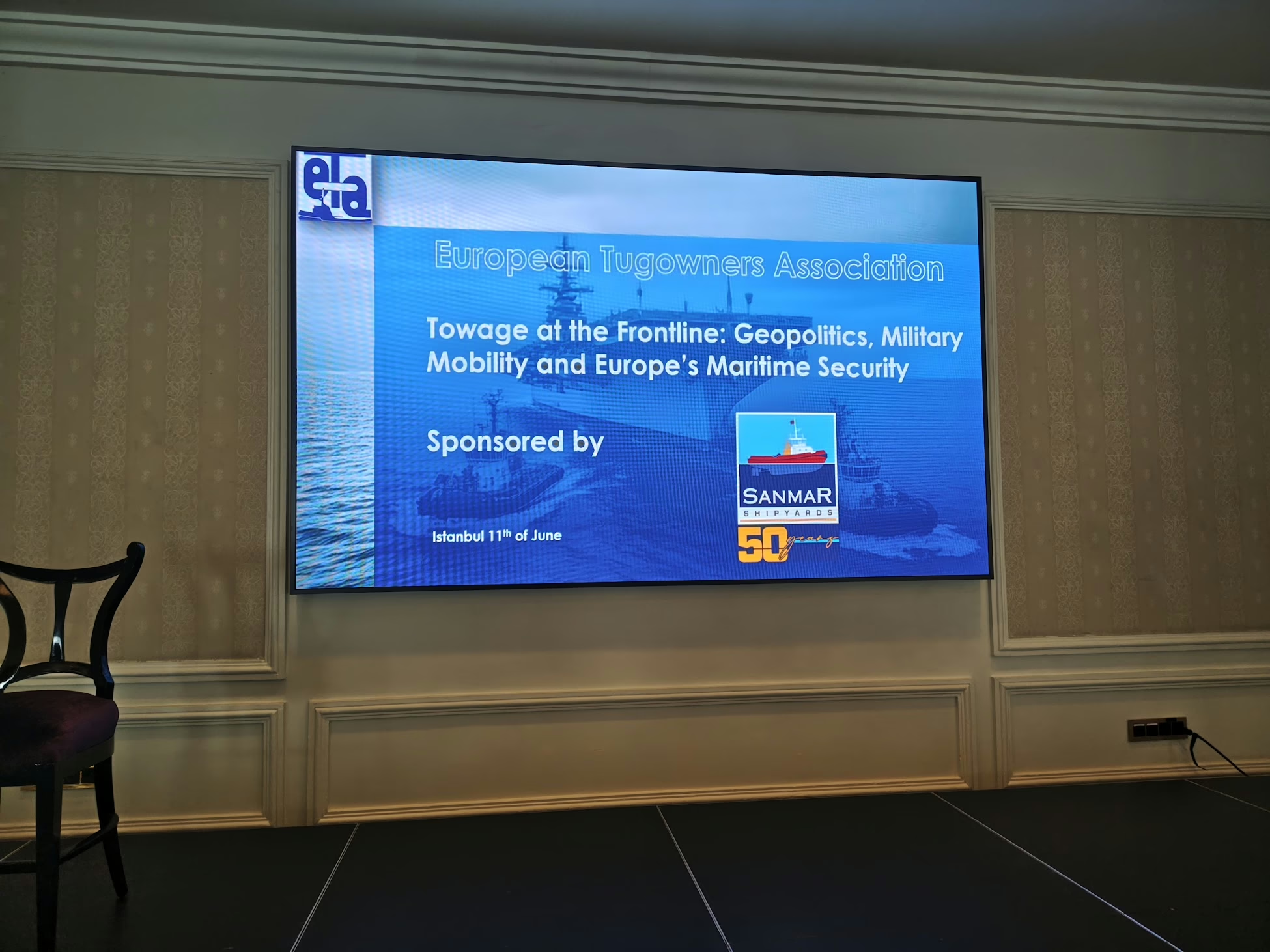
I also gave a presentation at the gathering of the European Tugowners Association in Istanbul. The event reflected on the consequences of maritime security for the industry. Key point:
Tugboat operations are vital for the transport industry, but are mainly invisible. Yet, they might be more crucial for maritime security than often considered.
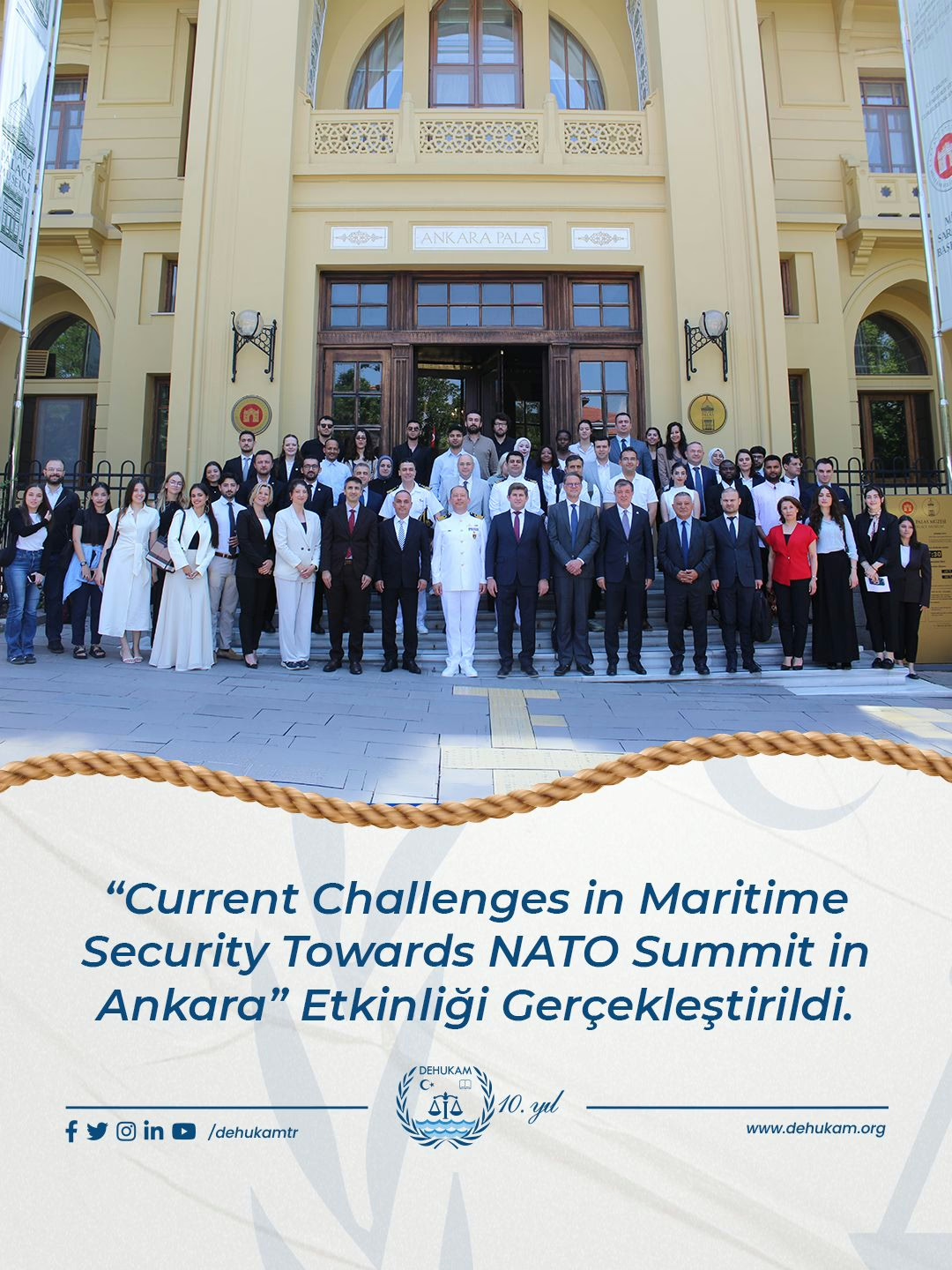
Last was a conference organized by DEHUKAM in Ankara as part of the run-up to the 2026 NATO summit. We focused on the lessons from the situation in the Black Sea and the Strait of Hormuz. Key points:
It’s important that NATO develops a clearer understanding of what roles it plays in addressing maritime security in these contexts.
The need to adapt and develop better strategies in light of the proliferation of low-cost and autonomous weapons and grey zone incidents is paramount.