How are navies and the transport industry coping with ongoing uncertainty in the Strait of Hormuz and wider Western Indian Ocean?
Attacks on shipping, the US naval blockade, mines in the Strait of Hormuz, but also the ongoing threat from Houthi forces and the resurgence of piracy combine to create a volatile environment. The negotiations between Iran and the US are ongoing with an uncertain timeline and little prospect for immediate resolution.
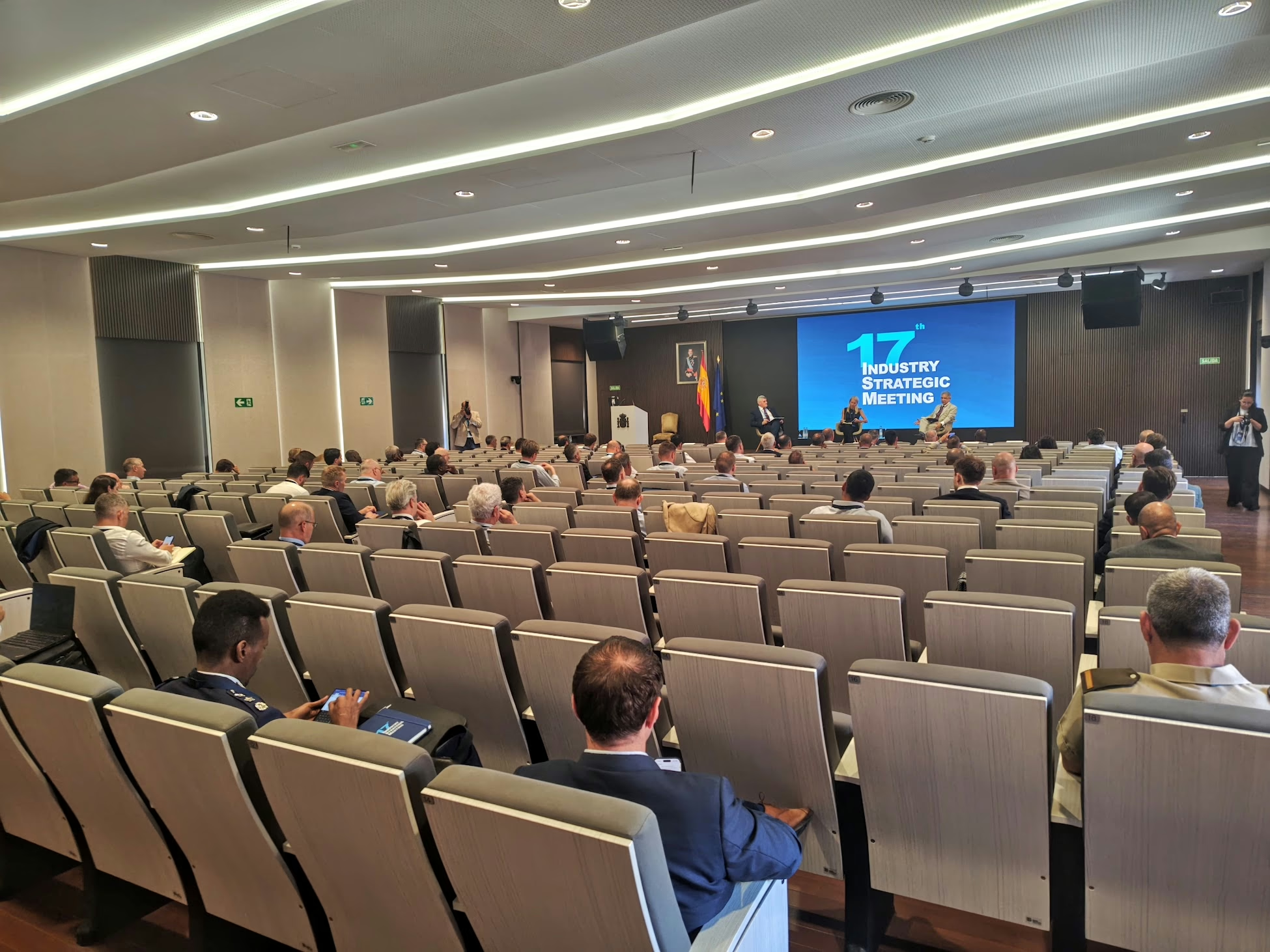
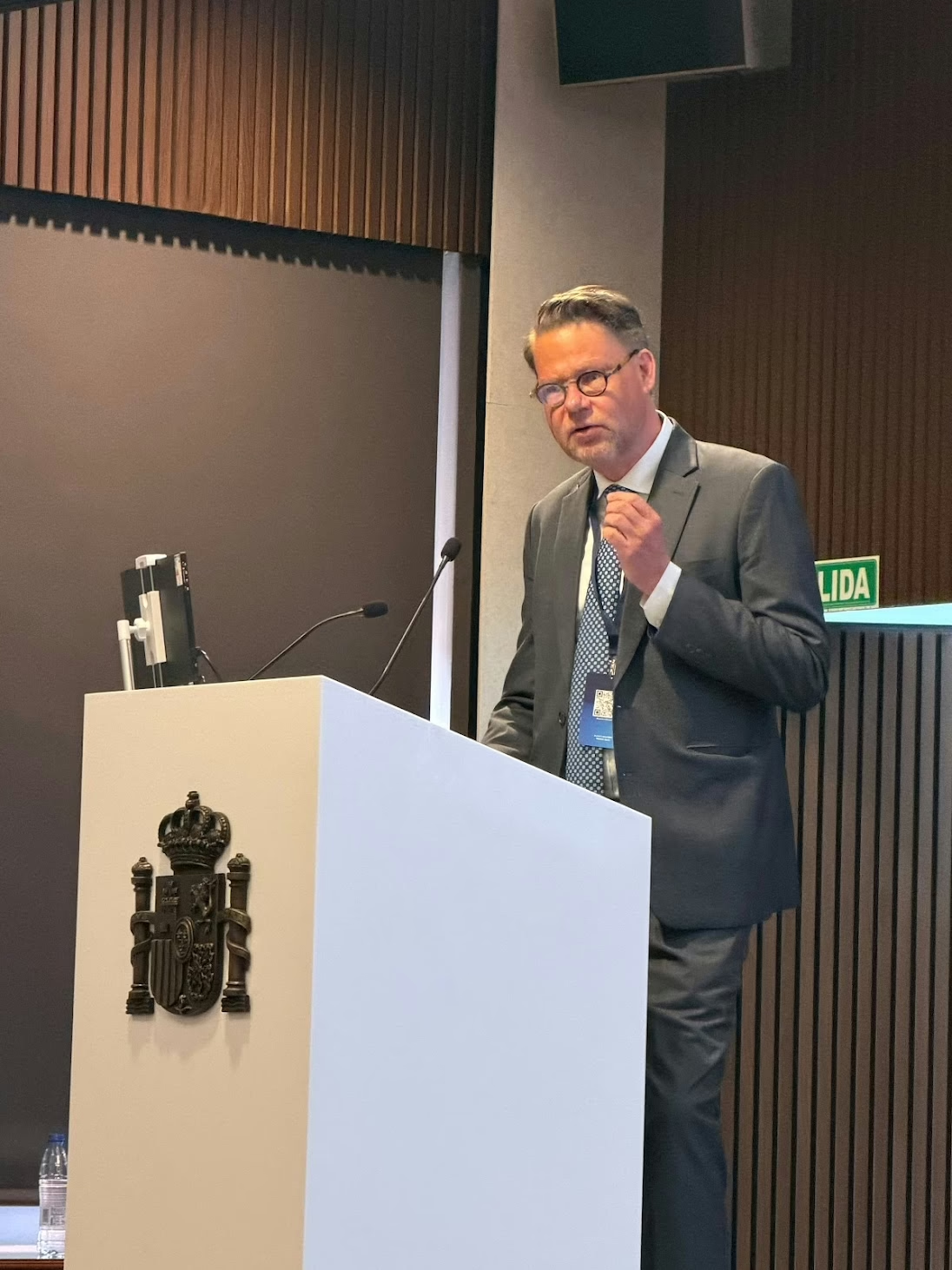
Over the last few days, I had the pleasure of participating in the 17th Industry Strategy Meeting (ISM) organized by EU Naval Operation Atalanta in cooperation with Aspides and the Combined Maritime Forces.
The ISM is an established fixture in the annual maritime security calendar, bringing together naval missions operating in the region and representatives of the shipping industry to review threats, risks, and operational effectiveness. Held each spring in Madrid, it forms a pair with the Shared Awareness and Deconfliction Meeting (SHADE), which convenes each autumn in the region itself — together providing a rhythm of strategic reflection and operational coordination across the year.
Challenges and Gaps in the current response
Five key insights from the meeting:
(1) The multinational military mission led by France and the UK (which now has the acronym M3 SoH) is being prepared with several naval assets deployed to the region. Planning is now on two levels: a political contact group and military coordination. The current time horizon is 12 months. There is little sign that the shipping industry has been meaningfully consulted, or that questions such as environmental consequences or the long-term legal status and transit regime have been properly addressed.
Continue reading